
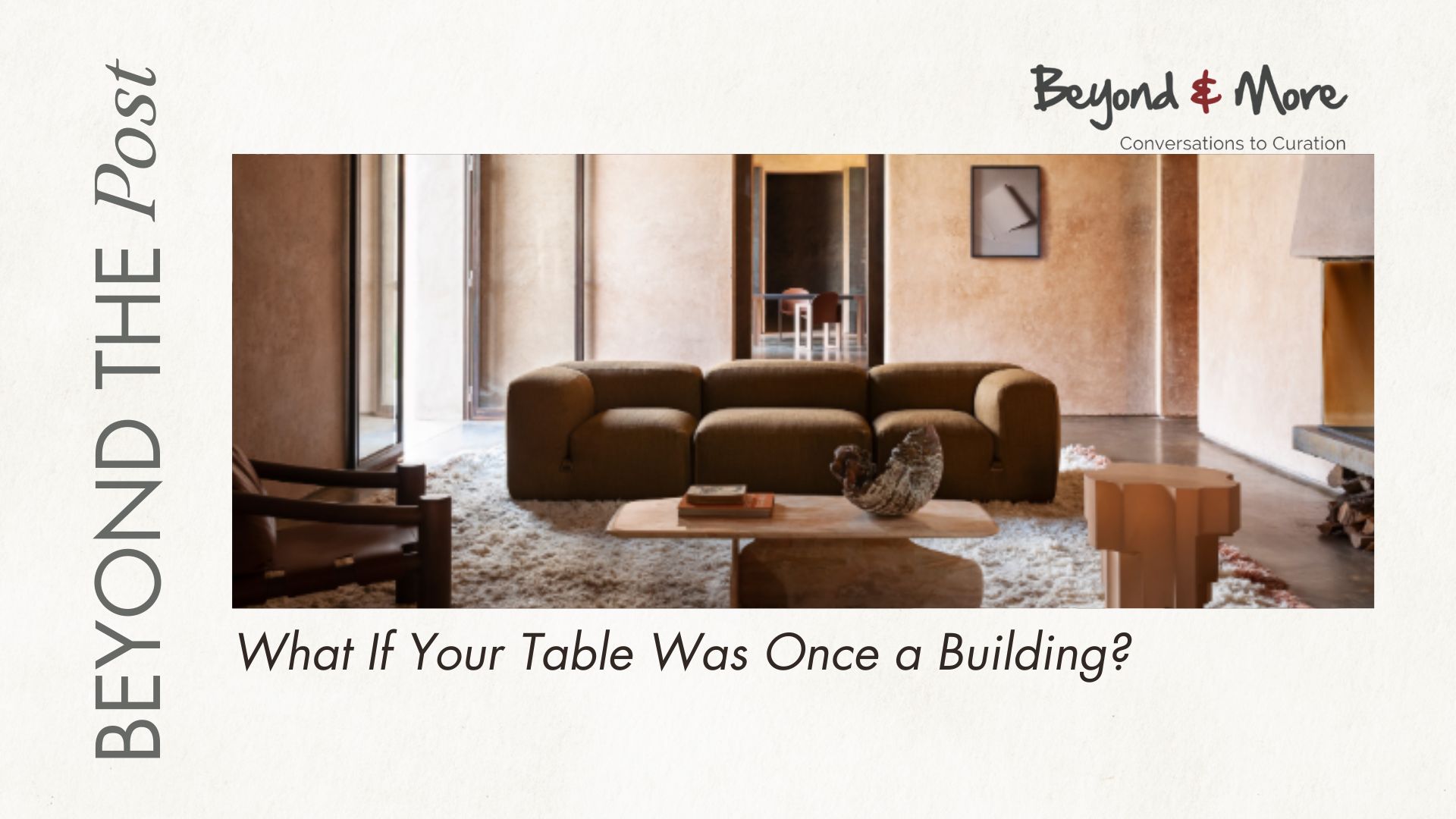
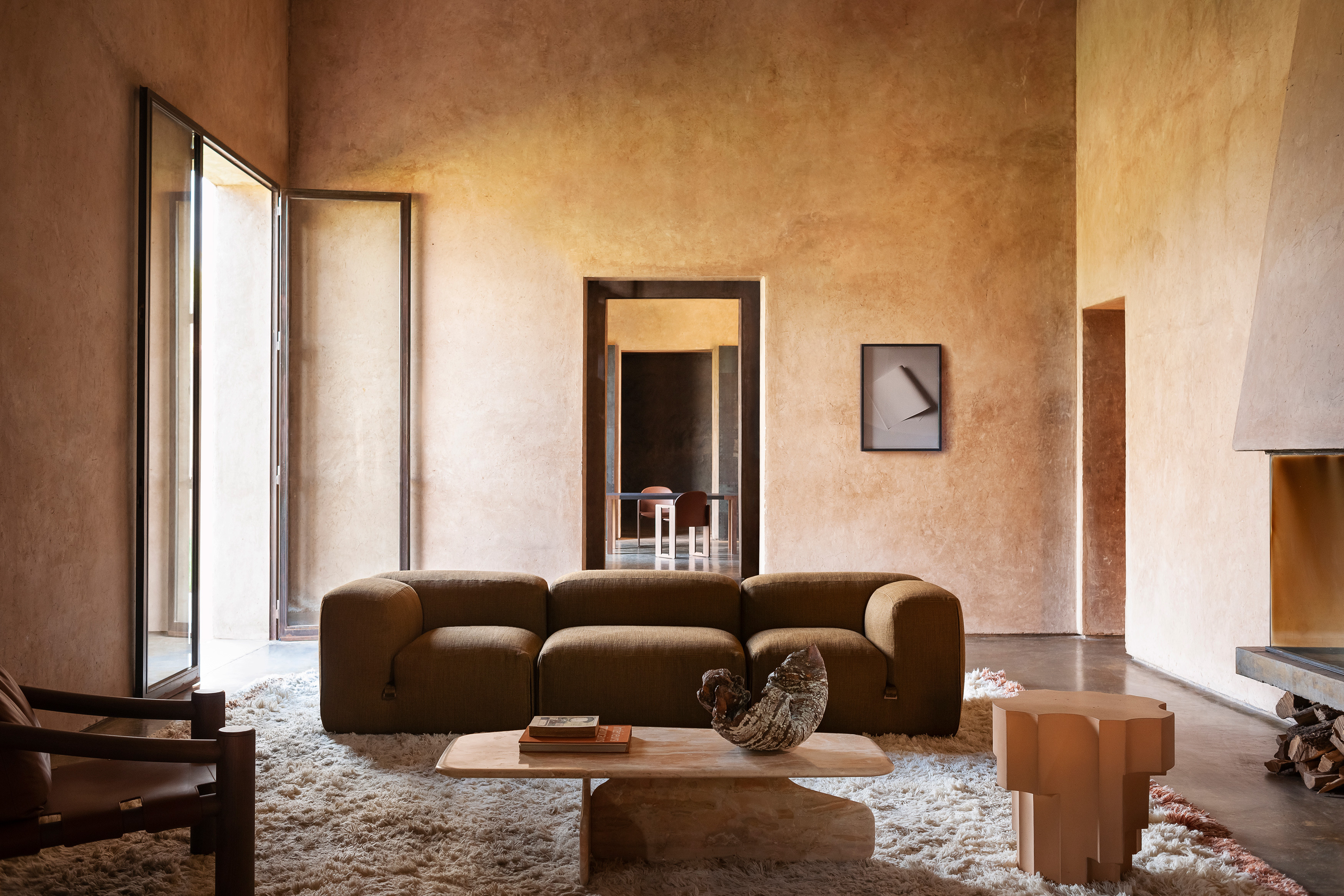
In Italy, some pieces of furniture carry the blueprint of famous buildings within their bones.
This isn’t imagination. It’s inheritance. The ribbed columns of Roman basilicas echo in the fluted bases of marble dining tables. The sweeping arches of Renaissance palazzos reappear in the curves of upholstered sofas. The clean grids of Rationalist facades resurface in modular shelving systems.
The proportions, the materials, the way light falls across a surface… this is Italian design’s most enduring truth: furniture is architecture you can touch. The two speak the same language, just at different scales.
1. A Retrospective On Blurred Lines
2. Materials That Build: From Palazzo To Living Room
3. Design Masters Who Think In Two Scales
4. Reissues That Keep The Dialogue Alive
A RETROSPECTIVE ON BLURRED LINES
The marriage between Italian architecture and furniture didn’t happen by accident. It was often orchestrated by necessity, shaped by history, and refined by masters who refused to see objects as separate from the spaces that held them.
- RATIONALIST ROOTS (1920s–1940s)
In the early 1900s, Italian furniture designers struggled to balance classical elegance with modern creativity, but by the 1930s, architects like Giuseppe Terragni were designing buildings and their contents as unified systems. His Casa del Fascio wasn’t just a structure. It was a complete environment where every chair, table, and lamp belonged to the architectural vision. - POST-WAR RECONSTRUCTION (1945–1960s)
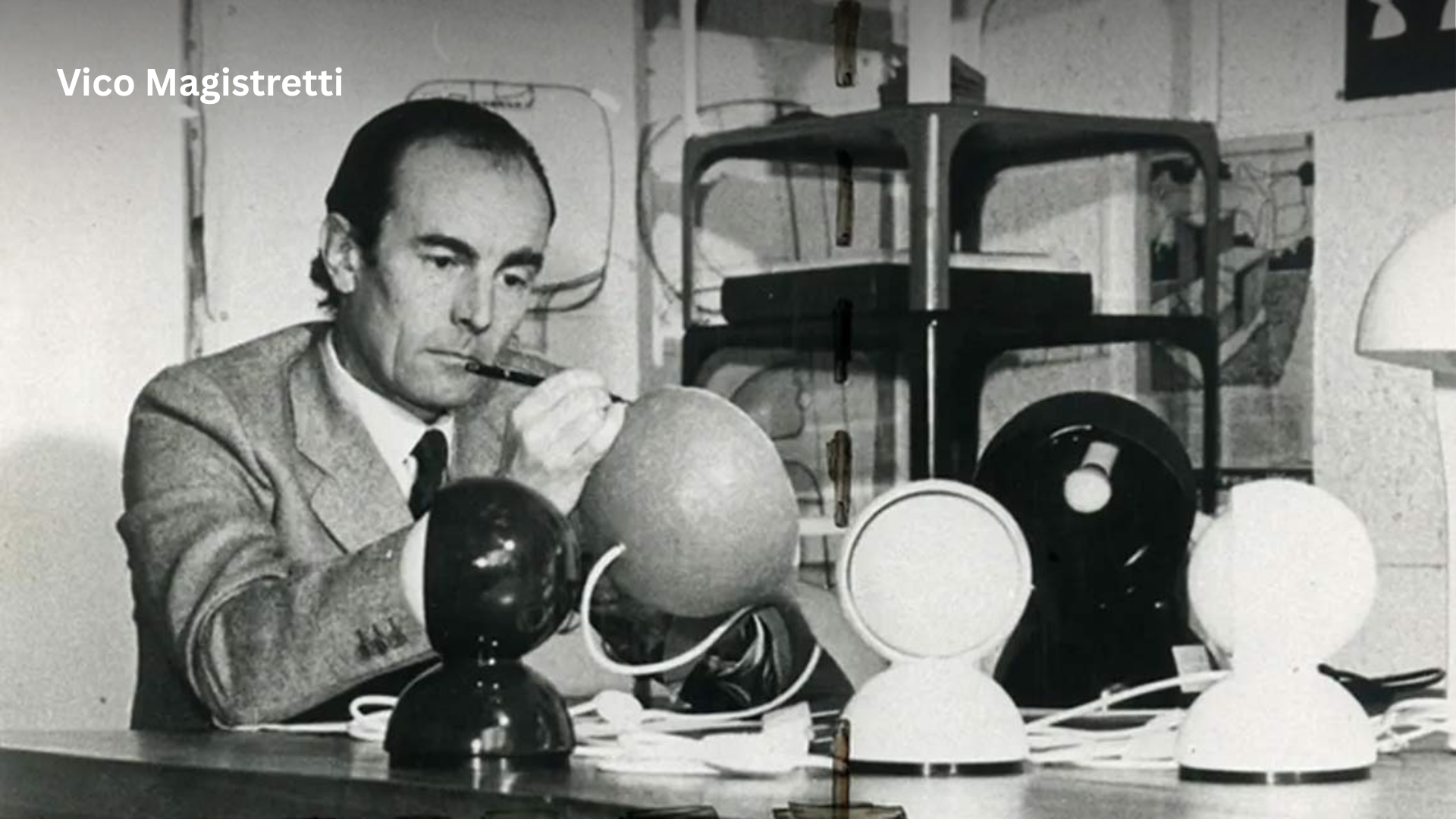
After World War II, Milan became the hub of design. The first recognition of Vico Magistretti’s work came in 1948, when he won the Gran Premio at the 8th Triennale. This wasn’t just about a single piece of furniture winning an award. It was about furniture being acknowledged as architecture’s equal partner in shaping how people lived, worked, and gathered.
- THE GOLDEN ERA (1950s–1970s)
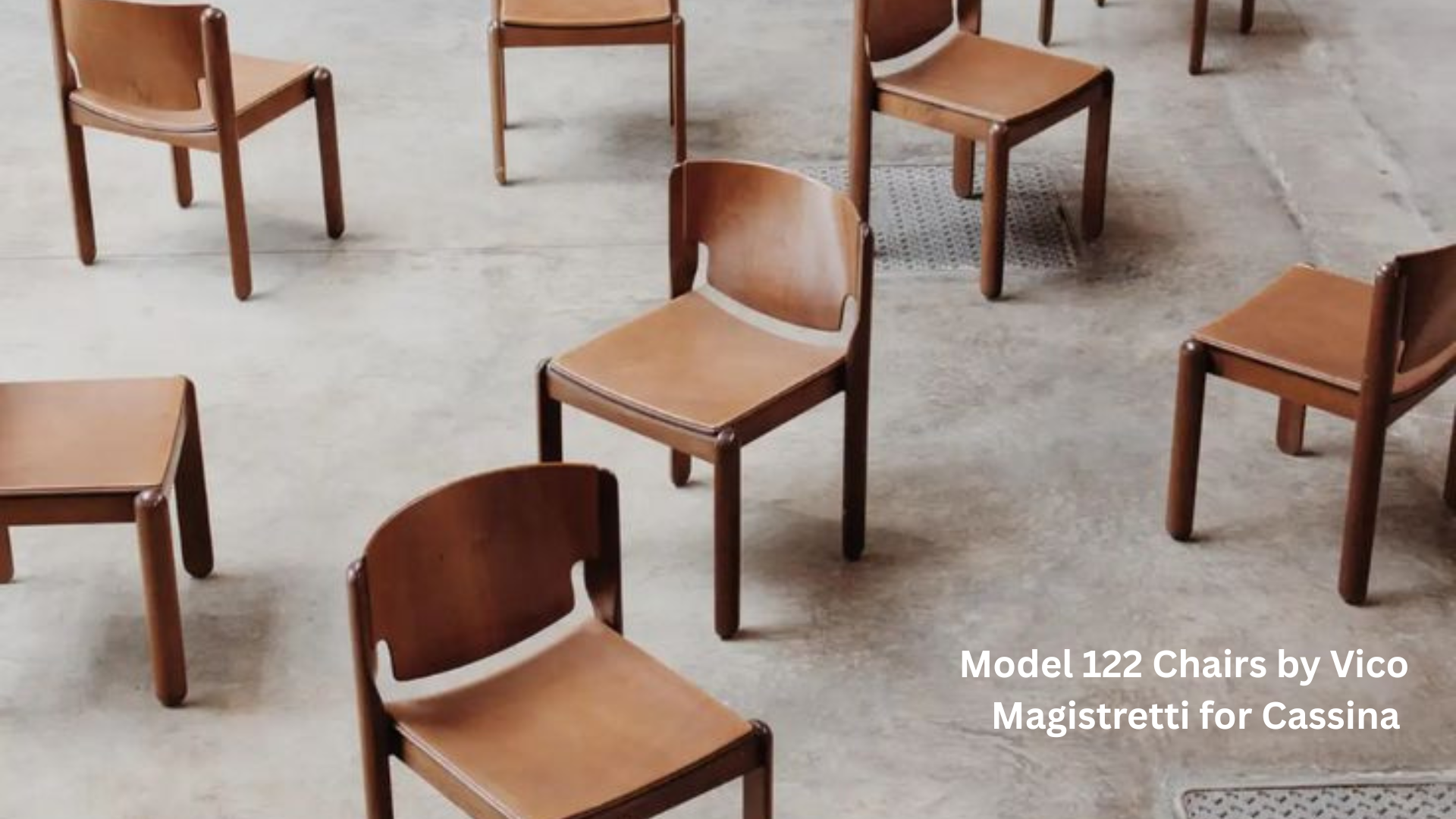
By the 1970s, the architectural approach to furniture was embedded in Italian design culture. For example, Magistretti created the model 122 dining chair for Cassina, a simple stackable form in black lacquered wood, while simultaneously designing housing in Milan. Achille Castiglioni’s Arco lamp (1962) designed for Flos treated light like a structural material, its sweeping form echoing the permanence of steel arches. - CONTEMPORARY CONTINUUM (1980s–Present)
The architectural mindset continues in contemporary practice. Patricia Urquiola was mentored by Castiglioni and worked with Magistretti before leading design at Lissoni Associati. Today, through her own studio, she moves seamlessly between furniture collections and complete hotel interiors, proving the Italian approach remains unbroken.
Today, brands like Tacchini, Flou, B&B Italia, Cassina, Pedrali, and Poltrona Frau create furniture that choreographs movement in a room much like walls and corridors do in architecture.
MATERIALS THAT BUILD: FROM PALAZZO TO LIVING ROOM
The stones that built the Colosseum live on in contemporary Italian furniture. Travertine coffee tables. Carrara marble lamp bases. Venetian terrazzo reimagined as table surfaces. This isn’t nostalgia. It’s geological memory made tactile.

1. MARBLE
The Carrara quarries that supplied Michelangelo still shape contemporary furniture.
Patricia Urquiola’s stone-inlaid tables, Rossato’s marble-topped consoles…they carry forward the weight of Renaissance palazzos and Baroque churches into contemporary living rooms.
2. TERRAZZO
Originally created to use marble workshop scraps, terrazzo flooring from Venetian
palaces finds new life in tabletops, stools, and sculptural seating. The same artisanal techniques. The same patient hand-polishing. The same understanding that beautiful surfaces require time.
3. BRASS & BRONZE
Metal accents like bronze handles, brass inlays, and steel joints move seamlessly from cathedral doors to furniture details. Costantini Pietro’s dining tables, or De Castelli’s metal casting screens and furniture, create a coherent material vocabulary across spaces and architecture.
4. WOOD, UPHOLSTERY, AND THE TUSCAN TOUCH
Tuscany’s timber craftsmanship lives on in Borzalino sofas like the Mia, and Aliso. They balance structure and softness, carrying the same architectural intent from villa to living room.
“Italian architects don’t see furniture just as decor. They see it as spatial punctuation. Every chair, every table, every lamp is considered for how it shapes the flow and feeling of an environment. On the other end, buyers seek these creations as collectors, ordering pieces with cultural weight, and timeless appeal.”
JUHI SAKHUJA, HEAD OF CURATION, BEYOND & MORE
DESIGN MASTERS WHO THINK IN TWO SCALES
Many iconic Italian designers approach furniture and architecture with the same understanding of proportion, light, and human movement. The result: objects that feel architectural, and spaces that feel intentional. 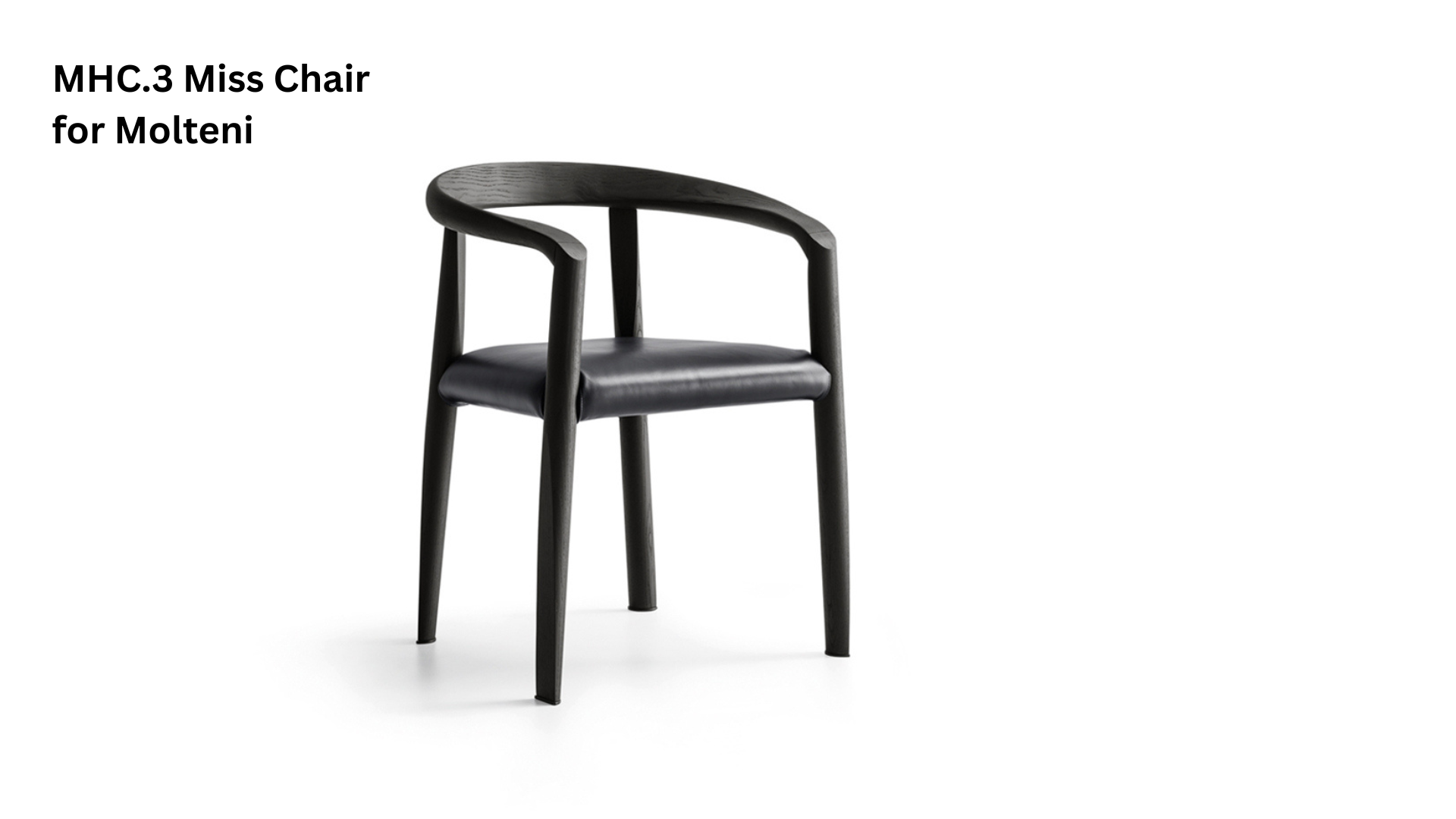
1. DESIGNER: VICO MAGISTRETTI
In the 1960s, Magistretti began collaborating with major Italian brands like Artemide,
Oluce, and Cassina, producing a string of modern classics. He merged architecturalthinking with furniture and lighting design.
Notable Architecture-Inspired Pieces Include:
● Eclisse lamp for Artemide, which balances rotation, light, and form like a miniature building.
● MHC.3 Miss Chair for Molteni, a refined study in proportion and restraint.
2. DESIGNER: MARIO BELLINI
Bellini translated architectural principles of modularity, structure, and spatial flow into
furniture that shaped 20th-century interiors. He collaborated extensively with Tacchini, B&B Italia, Cassina, and Vitra, creating pieces that redefined how people inhabit space.
Notable Architecture-Inspired Pieces Include:
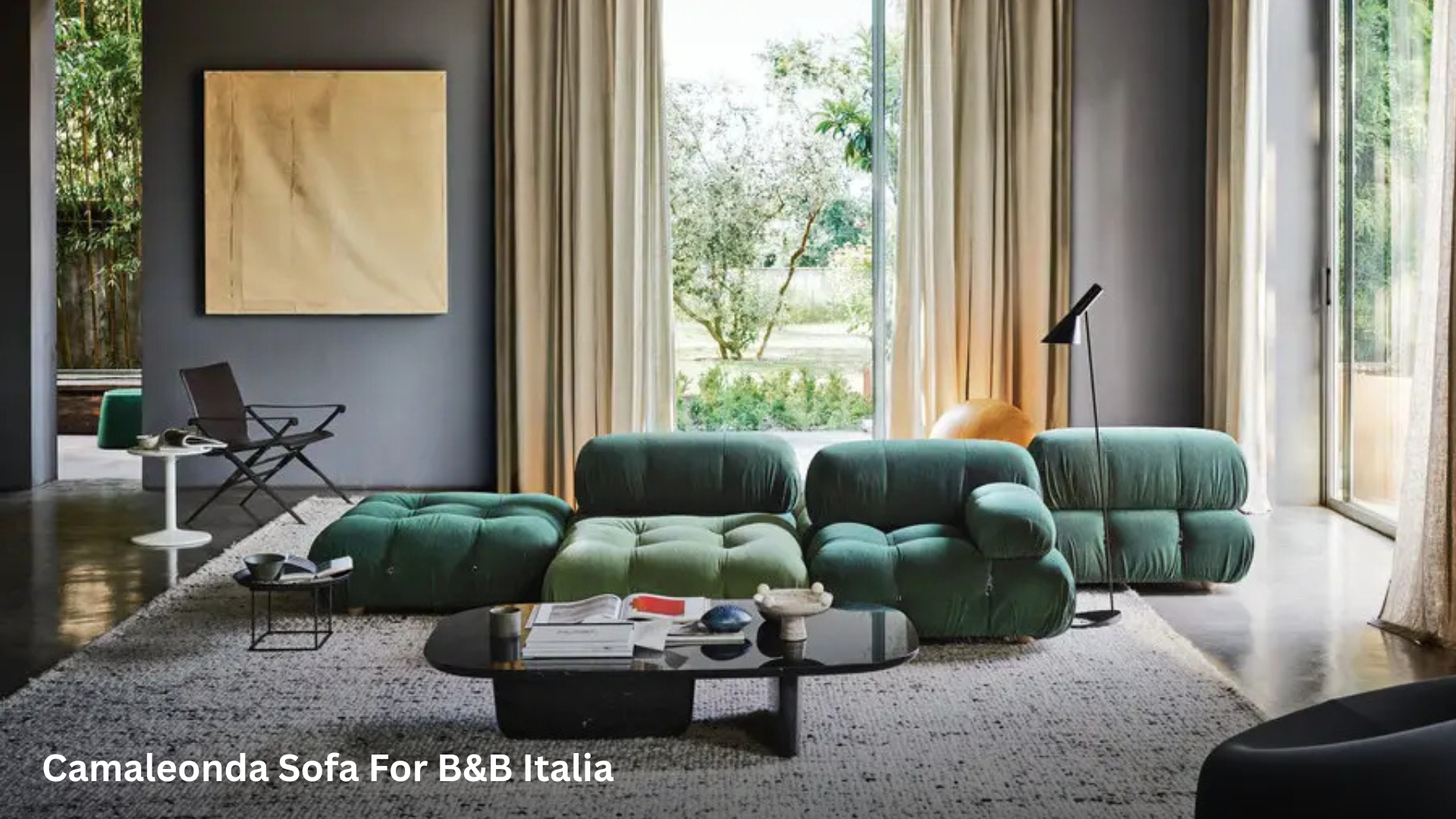
● Le Mura sofa system for Tacchini, a sculptural exploration of flexible architecture in seating.
● Camaleonda sofa for B&B Italia, a modular icon that turns living spaces into evolving landscapes.
3. DESIGNER: CARLO SCARPA
Scarpa’s meticulous approach to material, detail, and movement extended naturally from buildings to furniture. He collaborated with Italian brands such as Cassina, Gavina, and Venini, creating pieces that feel like architecture scaled for the human body.
Notable Architecture-Inspired Pieces Include:
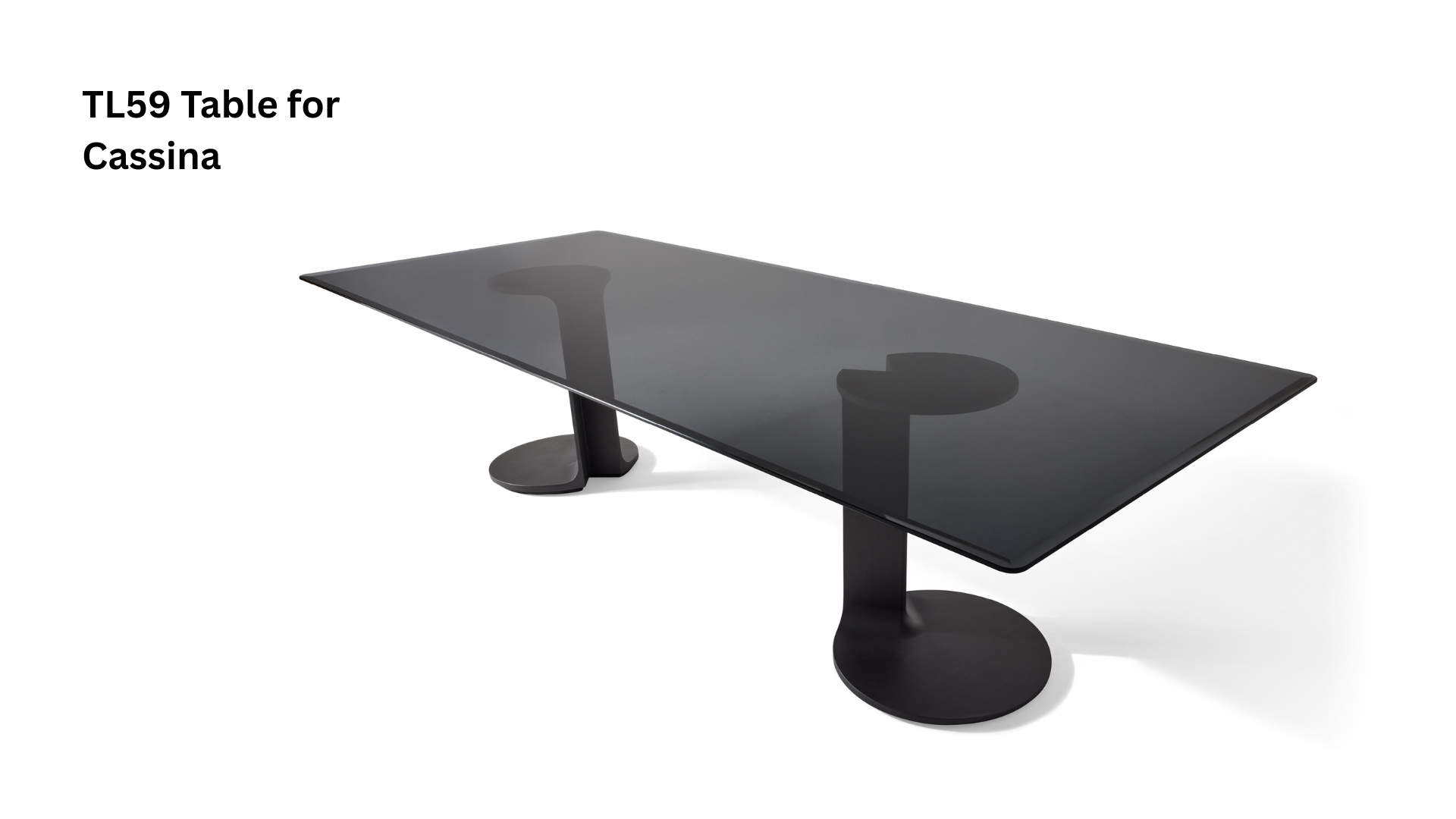
● TL59 table for Cassina, which treats glass and steel as structural elements.
● Scarpa 121 chair for Karakter, where proportion and craftsmanship converge.
4. PATRICIA URQUIOLA
Urquiola’s work bridges architecture and furniture through thoughtful layering, material innovation, and spatial storytelling. She has collaborated with iconic brands like Cassina, Tacchini, Molteni, and B&B Italia, bringing contemporary fluidity to Italian design.
Notable Architecture-Inspired Pieces Include:
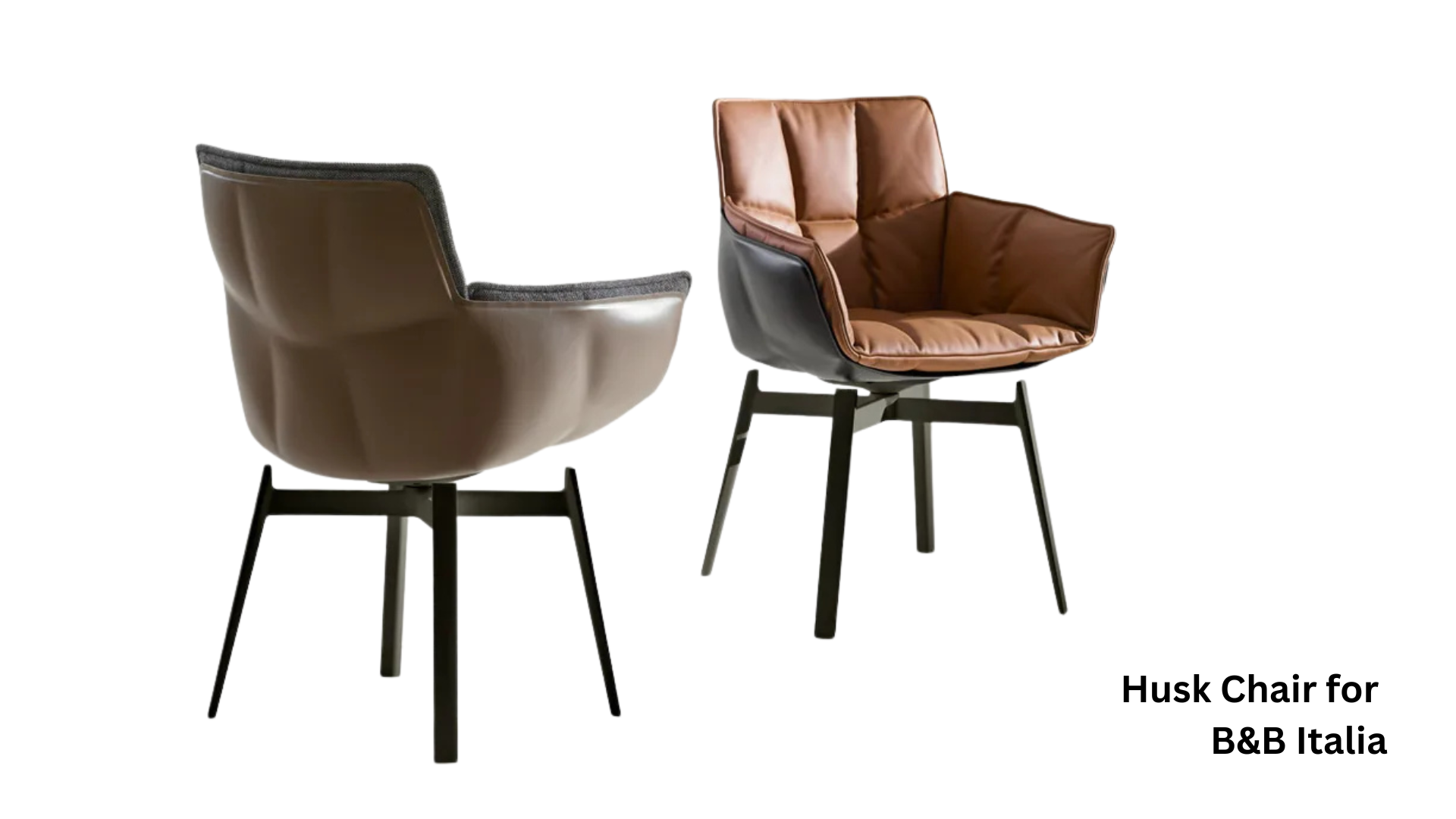
● Husk chair for B&B Italia, a study in ergonomic layering and architectural form.
● Mathilda chair for Moroso, which blends lightness with structural clarity.
5. GIORGIO CATTELAN
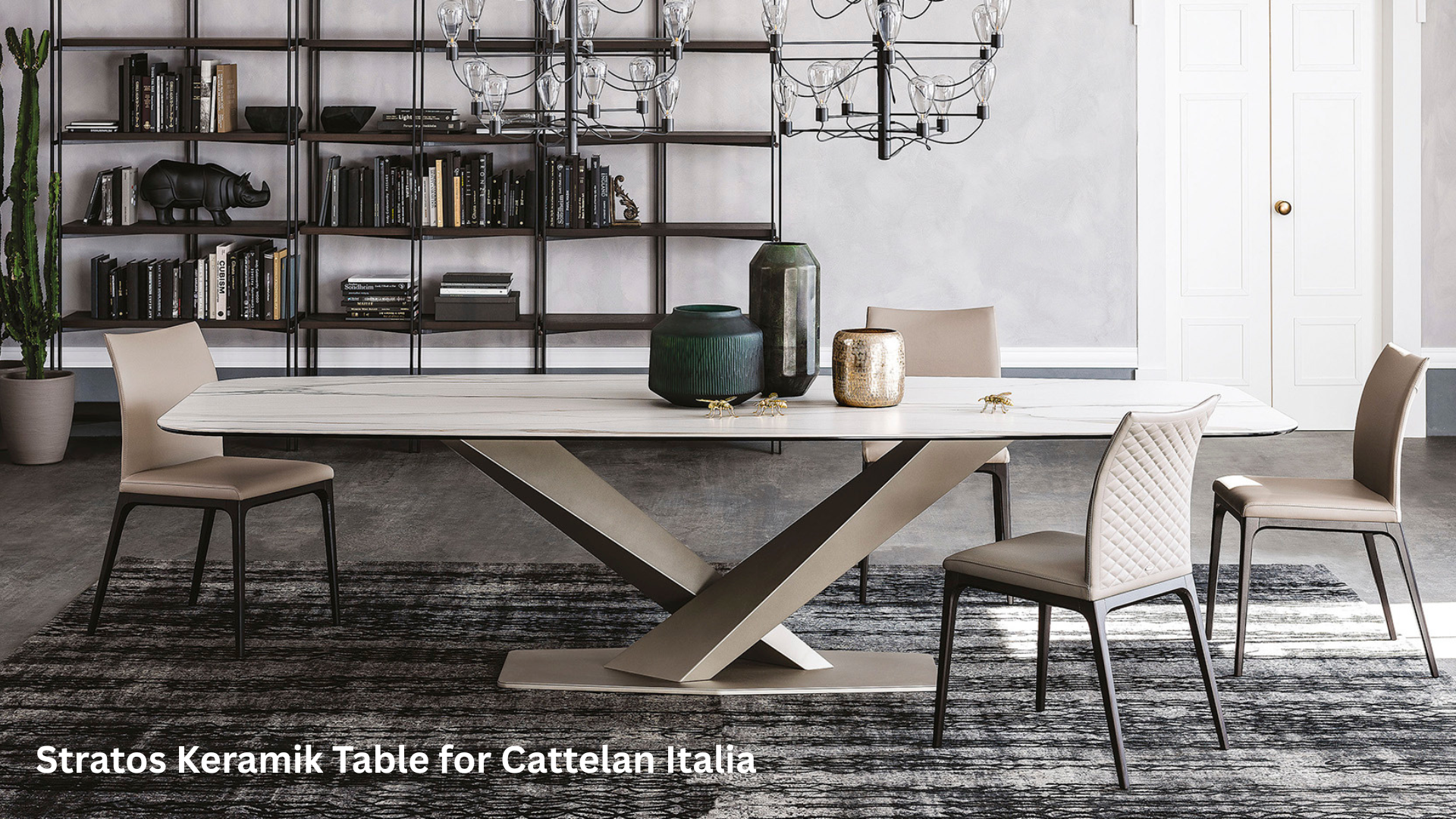
Cattelan creates bold, sculptural furniture that reflects his architectural sensibilities and a keen eye for spatial balance. He has worked with leading Italian brands like Miniforms, Rossato, and Costantini Pietro, bringing a monumental quality to interiors.
Notable Architecture-Inspired Pieces Include:
● Stratos Keramik table for Cattelan Italia, a geometric statement in metal and ceramic
● Planer table for Cattelan Italia, which plays with weight and suspension through sharp architectural lines
6. PAOLO CAPPELLINI
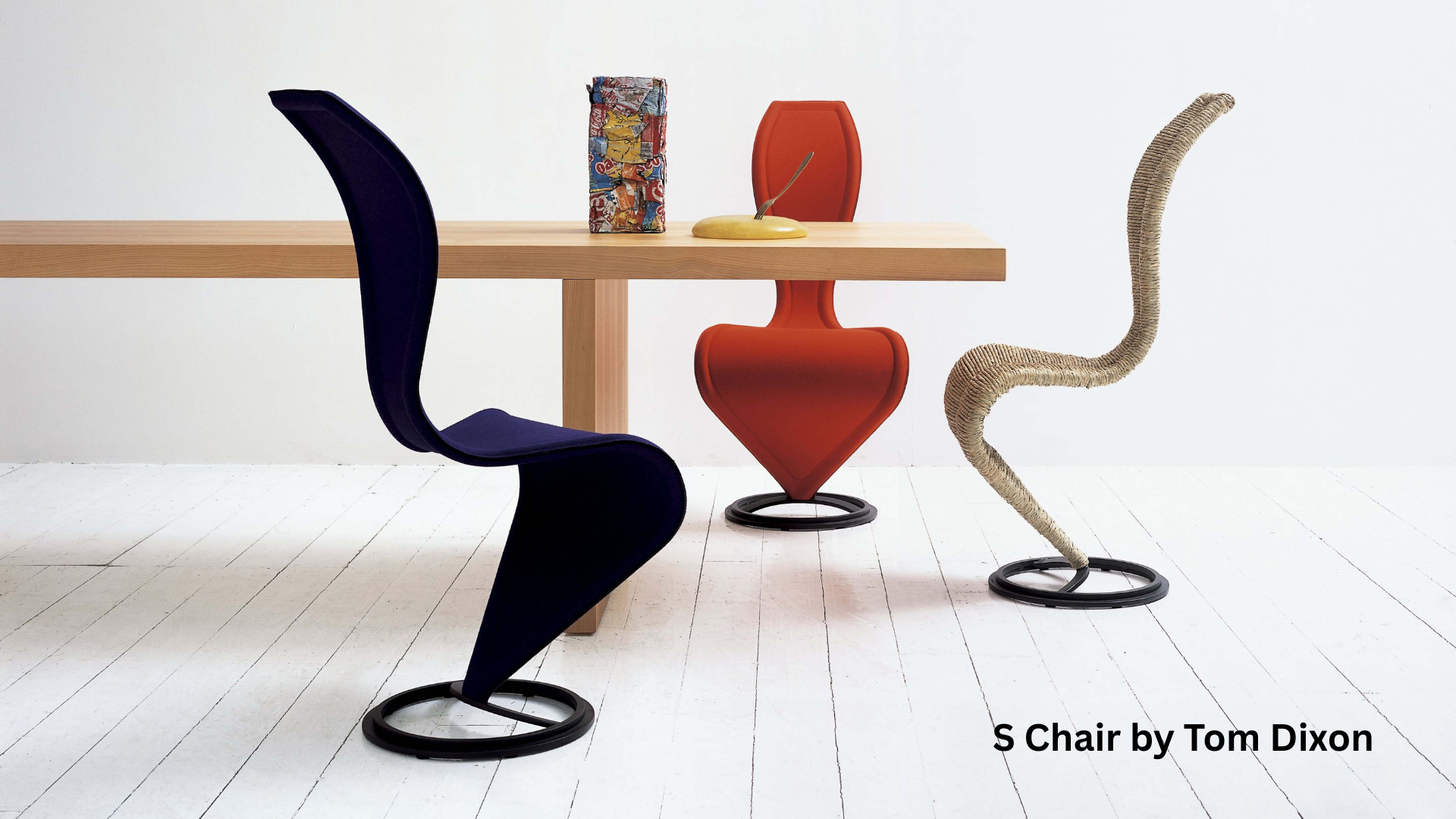
Cappellini is known for fostering avant-garde design rooted in architectural logic, often blending function with sculptural experimentation. Through his eponymous brand, he has collaborated with and produced work from some of Italy’s most influential designers.
Notable Architecture-Inspired Pieces Include:
● S Chair by Tom Dixon, a sinuous, sculptural seat that balances form and function
● Wooden Chair by Shigeru Ban, where laminated plywood and load-bearing curves translate architectural principles into furniture
REISSUES THAT KEEP THE DIALOGUE ALIVE
If furniture is truly architecture at a smaller scale, then reissuing historic pieces is no less than preservation. Since 1973, Cassina’s iMaestri collection has reintroduced designs by Le Corbusier, Perriand, and Albini, treating them like cultural landmarks. This act of care has inspired a broader movement.
When Tacchini reissued Gianfranco Frattini’s Sesann in 2016, it wasn’t just nostalgia. It was a commitment to keep architectural intelligence alive in today’s homes.
Poltrona Frau’s 2022 reissue of Pierluigi Cerri’s Ouverture sofa demonstrates how architectural seating can evolve while maintaining its essential DNA. The original’s geometric precision remains, but with enhanced ergonomics for contemporary living.
Zanotta’s continuous production of the Sacco beanbag since 1968 proves that radical architectural thinking transcends trends. Designed by Gatti, Paolini, and Teodoro, this piece that reimagined sitting now resides in MoMA’s permanent collection, bridging sculpture and seating.
Likewise, Borzalino and Rossato balance contemporary innovation with archival reverence, ensuring that Italian craftsmanship always carries forward its architectural DNA.
“The demand for architecturally-informed Italian furniture has grown exponentially in the Indian market over the past five years. We’re seeing clients who understand that when you invest in a piece by Bellini or Urquiola, you’re not just buying furniture, you’re acquiring a piece of design philosophy, legacy, and heritage.”
SANJAY PAREEK, CO-FOUNDER, BEYOND & MORE
CURATING ARCHITECTURE YOU CAN LIVE WITH
Italian design refuses neutrality. A single table can define how a room is entered. A sofa can choreograph how a family gathers. A lamp can decide how evening unfolds. These are architectural decisions, scaled down into daily life.
The interiors don’t just contain furniture; they’re shaped by it. When a Magistretti chair anchors a corner, it creates a zone of contemplation. When a Bellini modular system defines a living area, it establishes the rhythm of daily movement. When Scarpa’s precise joinery details catch afternoon light, they transform functional objects into spatial poetry.
This is the Italian inheritance: furniture that doesn’t simply fill space but actively creates it. Pieces that understand their role not as isolated objects, but as partners in the larger choreography of living. Materials that carry geological and cultural memory from ancient quarries to contemporary homes. Proportions that speak the same language whether they’re supporting a cathedral dome or a dining room conversation.
At Beyond & More, we curate pieces that honour this philosophy. Furniture not as decor, but as environment. Not as accessory, but as architecture you can live with.