
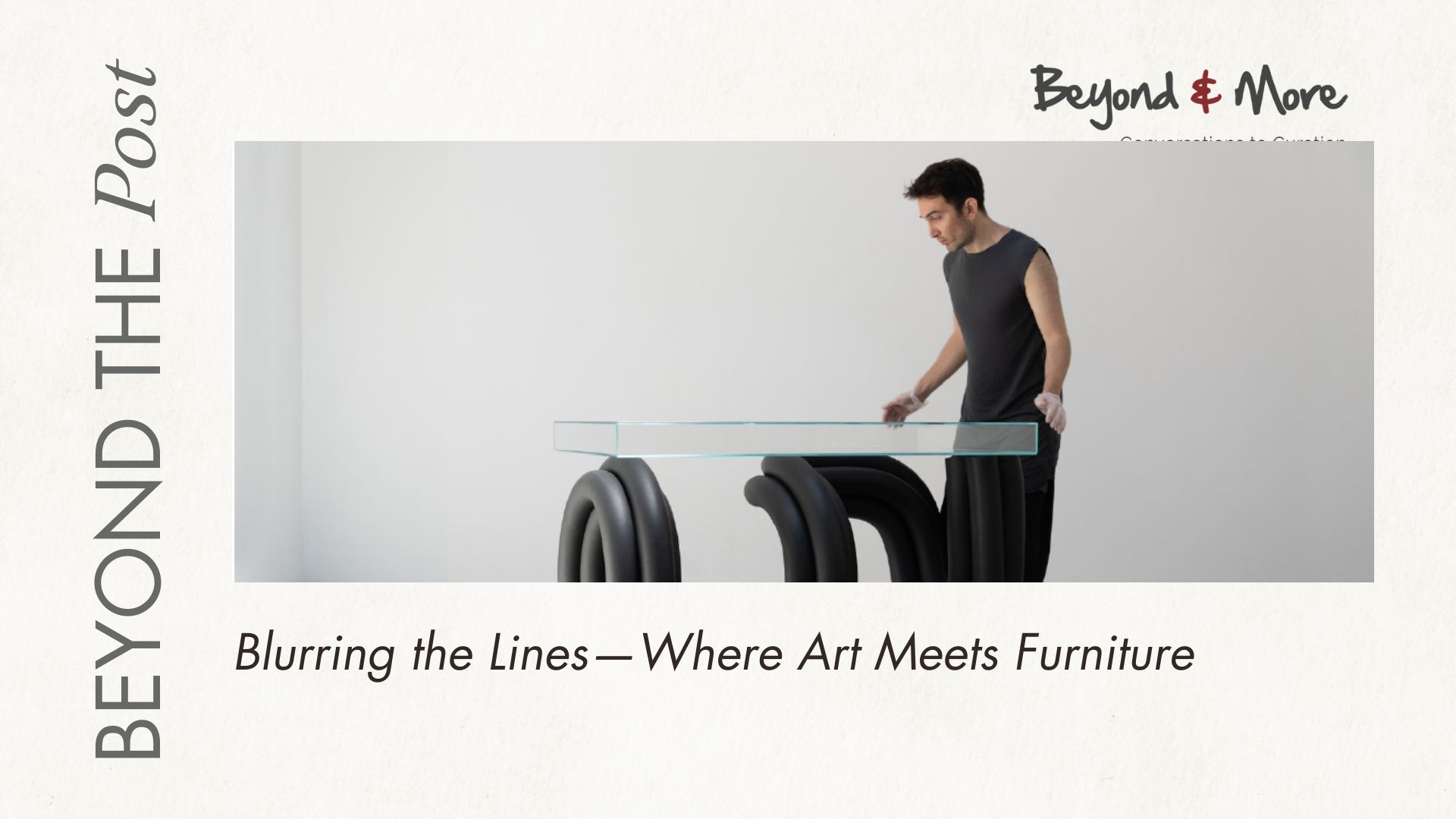
There is no must in art, because art is free.” — Antoni Gaudí
And this artistic freedom extended beyond the canvas and paintbrush, giving way to a new form of creative expression—furniture design.
Today, a chair is no longer just a seat, and a screen isn’t merely a divider. They have become statements, sculptures, and silent narrators of a space’s story. Across the globe, furniture has transcended its utilitarian role, transforming into art that belongs just as much in a gallery as in a home or office space.
IN THIS ISSUE:
1. The Origins of Art Furniture
2. Regional and Cultural Influences in Art-Furniture
3. What is Driving Art Furniture?
4. Masters of Functional Art
5. The Future of Living Furniture
THE ORIGINS OF ART-FURNITURE
The fusion of art and furniture is not a recent phenomenon. In fact, it has been evolving for over a century, taking on various forms that reflect the cultural shifts of their time.
Early Influences: It was Art Nouveau (1890s–1910s) that first brought flowing, nature-inspired forms into furniture design, treating it as an extension of fine art. Then came De Stijl (1917s), the Dutch art movement that stripped design down to pure geometry and primary colors, turning furniture into abstract compositions.
Bauhaus & Beyond: The Bauhaus movement (1919) further revolutionized design by blending art with industrial functionality.
The Pop Art Disruption: The 1960s saw a dramatic shift. It was when post-modernism had made way for bold, expressive forms that celebrated individuality. This gave rise to artists like Andy Warhol and icons of the radical Italian design movement who turned everyday objects and furniture into playful, exaggerated art pieces.
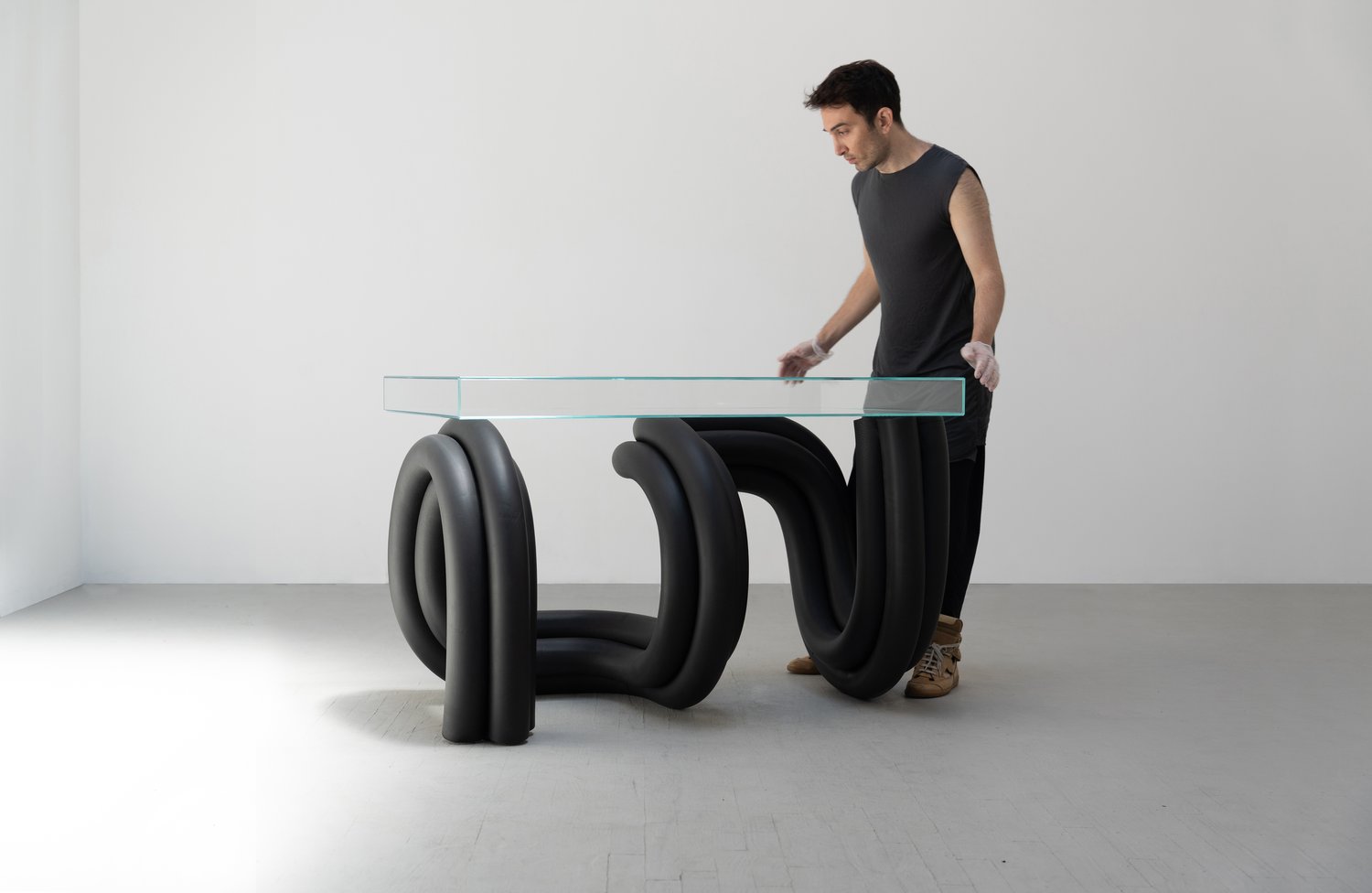
Fast forward to today, and the boundaries between sculpture and functional objects are thinner than ever. Designers worldwide are pushing limits, proving that furniture isn’t just designed for utility—it’s created for experience.
“Art-Furniture challenges conventional aesthetics, blending structure with sculpture, and function with fantasy. For curators and customers alike, they represent an invitation to experience furniture design as living art and that’s what I love most about such pieces.”
Juhi Sakhuja, Head Of Curation, Beyond & More
REGIONAL & CULTURAL INFLUENCES IN ART-FURNITURE
Art-furniture is shaped by cultural heritage, traditions, and design philosophies worldwide. In fact, different regions bring their own unique interpretations, merging artistry with functionality in distinct ways:
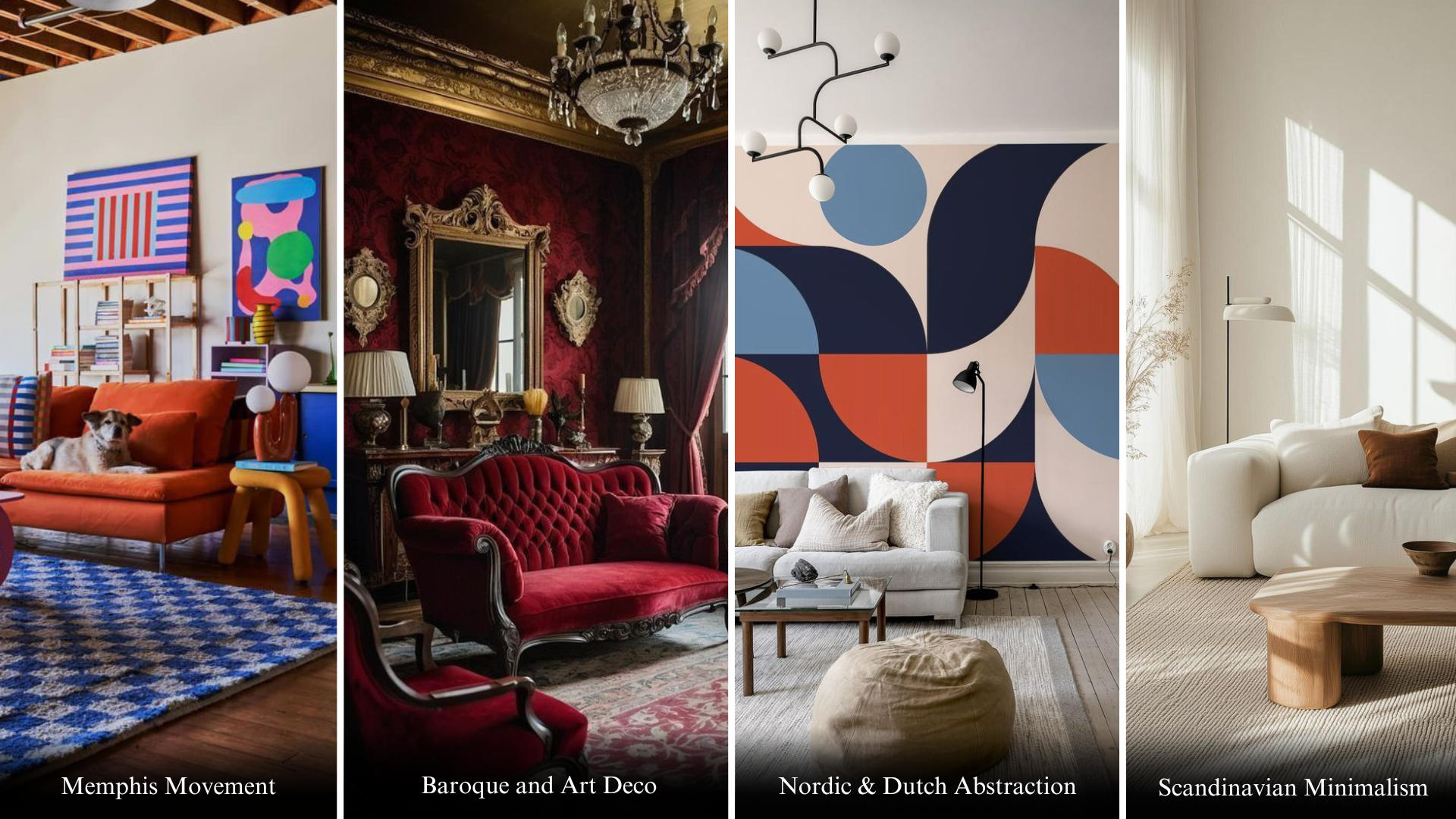
- Italian Expressiveness
Rooted in Renaissance opulence, Italian design is known for its dramatic aesthetics and artistic flair. The avant-garde Memphis movement further revolutionized it, introducing playful, unconventional forms that challenge tradition and blur the line between function and sculpture. - French Elegance
Influenced by Baroque and Art Deco, French furniture merges timeless grandeur with modern minimalism. Luxurious materials like marble, gilded metals, and fine woodwork are often used to craft pieces that balance refinement with artistic expression. - Nordic & Dutch Abstraction
Nordic and Dutch designers emphasize functionality, simplicity, and sculptural form. Their designs often explore abstraction and material experimentation, blending natural elements, geometric precision, and conceptual narratives to create furniture that is both practical and artistic. - Scandinavian Minimalism
Based in clean lines, natural materials, and a “less is more” philosophy, Scandinavian design values functionality without excess. Art-furniture from this region often features smooth wooden textures, neutral tones, and organic shapes that create a sense of calm and harmony in a space.
Across the world, art-furniture is more than just design—it’s a cultural dialogue, blending local craftsmanship with modern creativity to create functional pieces that tell a story.
SO, WHAT’S DRIVING ART-FURNITURE?
Designers who continue to blur the lines between art and furniture are often driven by a deeper need or desire—they believe that function should not limit creativity.
This vision is fueled by various factors:
- Material Experimentation: From resin to molten metals, designers have long experimented with unconventional materials to push artistic boundaries. Today, sustainability is reshaping this approach—bio-resins, upcycled metals, and smart textiles are paving the way for eco-conscious art-furniture. Repurposed architectural elements and reclaimed wood are also gaining traction, proving that innovation and sustainability can coexist.
- Conceptual Narratives: Many art-furniture pieces are more than functional—they aim to tell a story. Whether inspired by cultural heritage, futuristic vision, or environmental awareness, these designs become visual narratives within a space. Psychologists suggest that furniture with strong conceptual elements influences human perception, making interiors more engaging and emotionally resonant. This is why designers increasingly create immersive pieces that transform the way people interact with, and experience their surroundings.
- Perception Play: Optical illusions, exaggerated proportions, and unexpected material contrasts redefine our perception of space. These elements evoke emotions—curiosity, surprise, even a sense of movement—making a space feel more dynamic. Whether in homes, offices, or galleries, art-furniture that distorts perception or challenges expectations naturally sparks conversation.
- Limited Editions & Collectibility: Rare art is met with a perception of exclusivity and increased value. In fact, the goal for many designers is to create a sought-after collector’s item because limited-edition releases by renowned designers command high prices at auctions, with some pieces even
- appreciating in value over time.
- Evoke Emotions: Emotion is an invaluable currency in design—whether it’s awe, nostalgia, or intrigue. Designers leverage this by creating statement furniture that disrupts expectations in unassuming ways. Pieces that shock and awe, either through bold contrasts or surreal forms, have an enduring impact. This emotional connection not only increases desirability but also drives demand in the luxury and collector markets.
There is a huge market for these pieces because they aren’t just furniture. Often made in limited or numbered editions, they’re considered investments. In fact, art collectors and design connoisseurs alike are recognizing the long-term value of owning such unique functional sculptures.”
Sanjay Pareek, Co-Founder, Beyond & More
MASTERS OF FUNCTIONAL ART
Many furniture designers are continuing to challenge convention by reshaping interiors with an artistic lens. And while this is reflected across their work, some iconic pieces are worth highlighting:
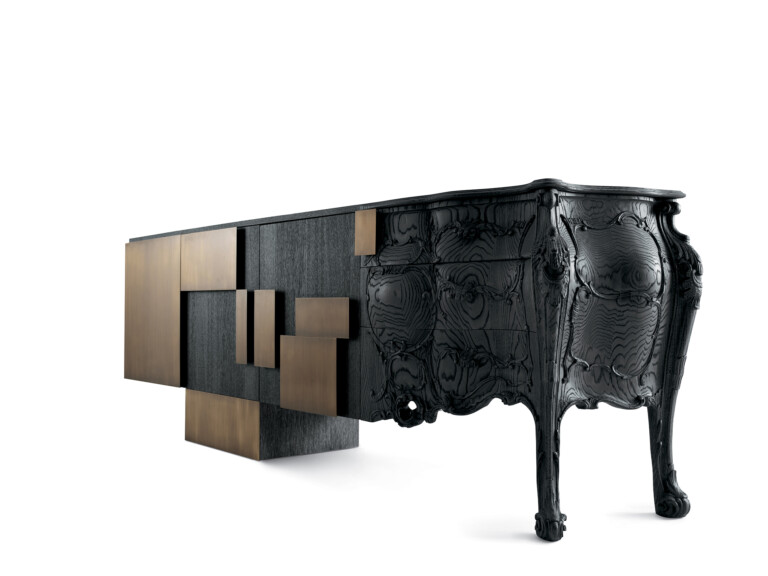
Evolution Cabinet by Emmemobili
A dynamic play of geometry and movement, the Evolution Cabinet transforms storage into a statement. Its fluid lines and meticulous craftsmanship blur the boundary between furniture and sculpture.
Golem Table by Barberini & Gunnell
With an arresting, raw aesthetic, the Golem Table is a striking interpretation of weight and form. The juxtaposition of solid and void, structure and abstraction, makes it an architectural marvel.
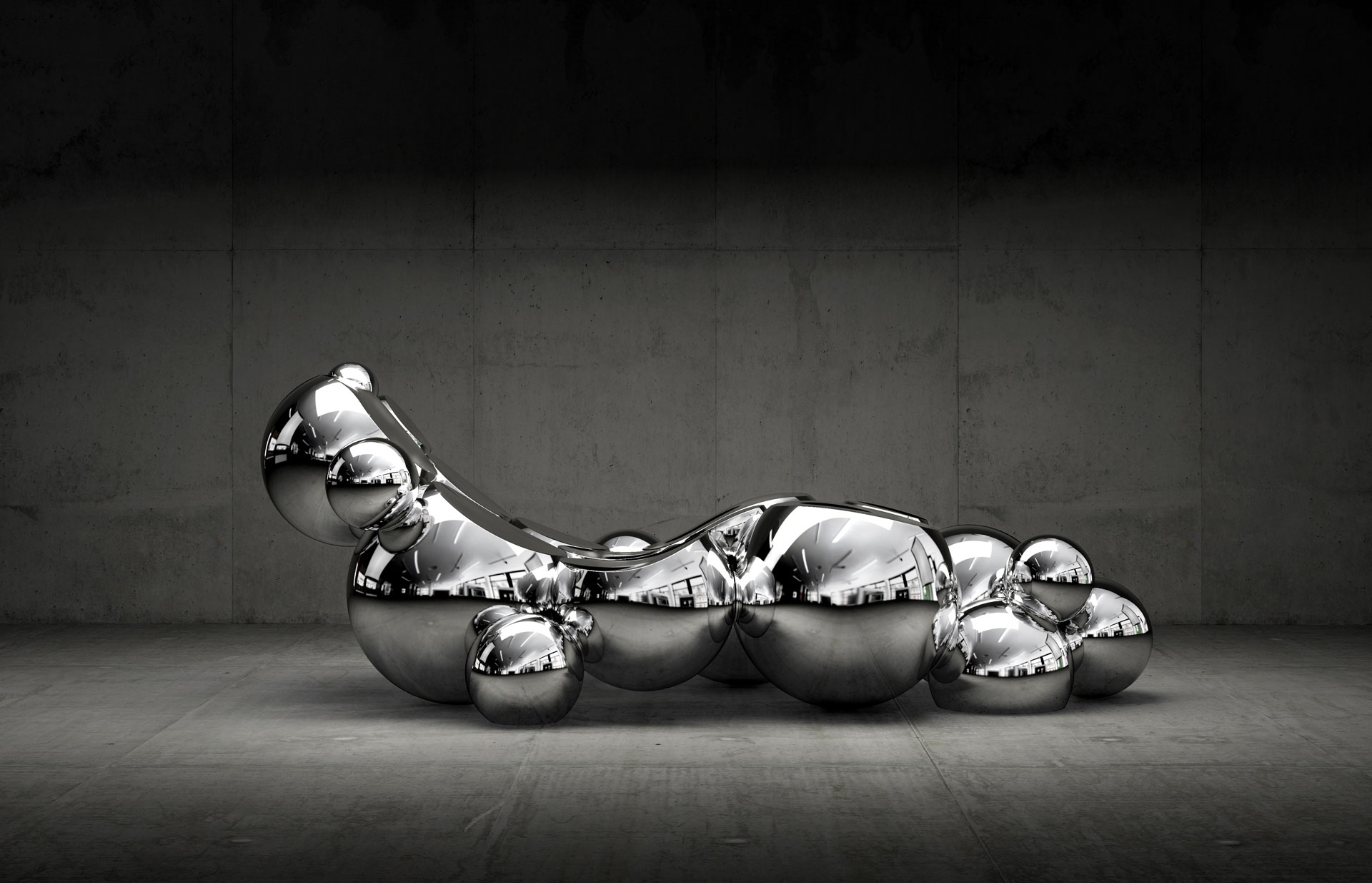
7M Chair by Arathorose
A sculptural marvel that challenges the notion of traditional seating, the 7M Chair is an interplay of curves and lightness. It holds an undeniable presence, merging artistry with ergonomic function.
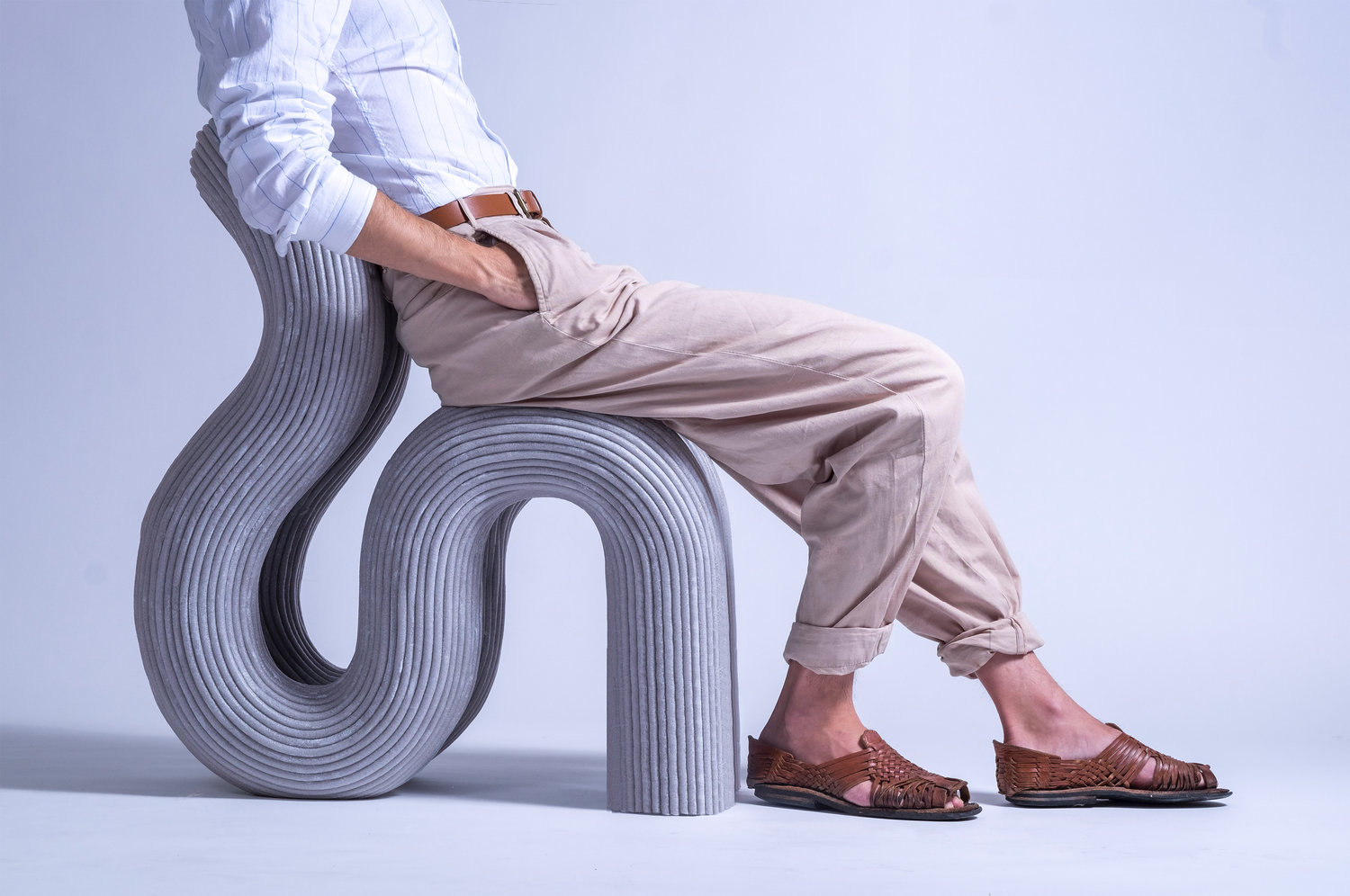
Enignum Lounge Chair by Joseph Walsh
The Enignum Lounge Chair embodies organic elegance and is crafted with sinuous,
flowing wood. Joseph Walsh’s mastery of material manipulation creates a form that feels both spontaneous and deeply considered.
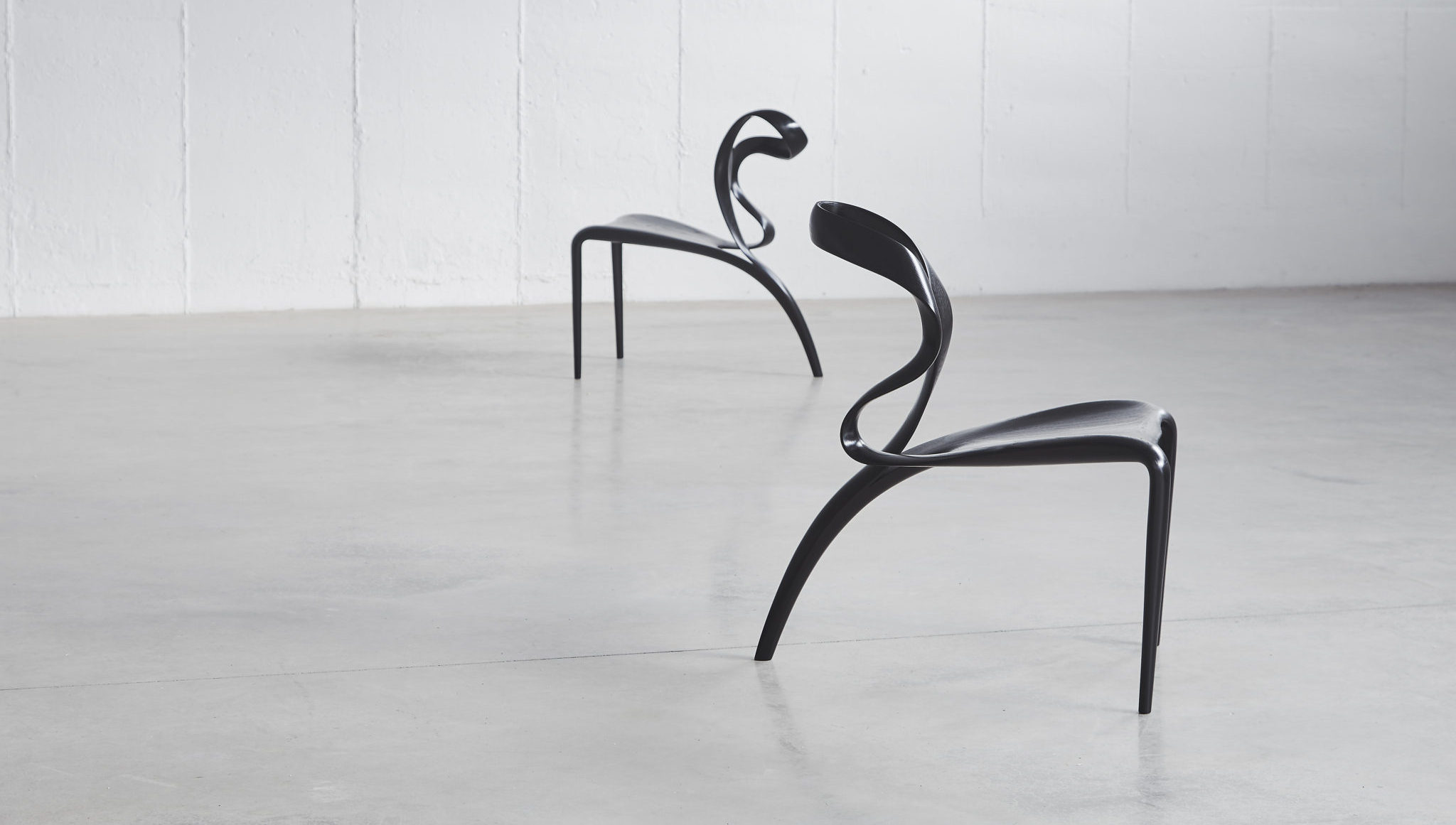
THE FUTURE OF LIVING FURNITURE
Living with art-furniture means being surrounded by pieces that spark thought, emotion, and conversation. They inspire creativity and turn everyday spaces into aesthetic experiences.
Now, technology is pushing these boundaries even further. AI-driven design is helping create intricate, unexpected forms that blend function with sculpture. At the same time, digital fabrication—like 3D printing and CNC milling—is making it possible to craft complex, precise, and even sustainable pieces with ease.
At Beyond & More, we curate more than just furniture—we curate expressions. Whether you’re a collector, a designer, or someone who loves the unexpected, wecurate creations that transform the way we interact with space. Let’s explore, discover, and blur the lines together.